Advertising has a
measurement problem
The industry measures whether an ad ran. The brain measures whether it was remembered. Those are not the same thing, and the gap between them is where most advertising budget disappears.
The Memory Standard is a different way of judging whether advertising works. It measures what the brain actually keeps, and judges the work on that outcome.
The Category We Are Building
Attention was the last upgrade, Memory is the next one
For a decade, the industry moved from impressions to viewability to attention. Each step was an improvement on the last. Attention was a real advance: for the first time, marketers could estimate whether an ad had been noticed, not just served.
But independent neuroscience research now shows that attention does not reliably predict memory. People look at ads because they are confused, provoked, cluttered, or entertained. None of that guarantees the brand will be remembered when the buying moment arrives.
If a brand cannot be recalled at the moment of purchase, the advertising did not work
The Memory Standard treats memory formation as the outcome that matters, and every other metric as an input to it.
Request a Memory Audit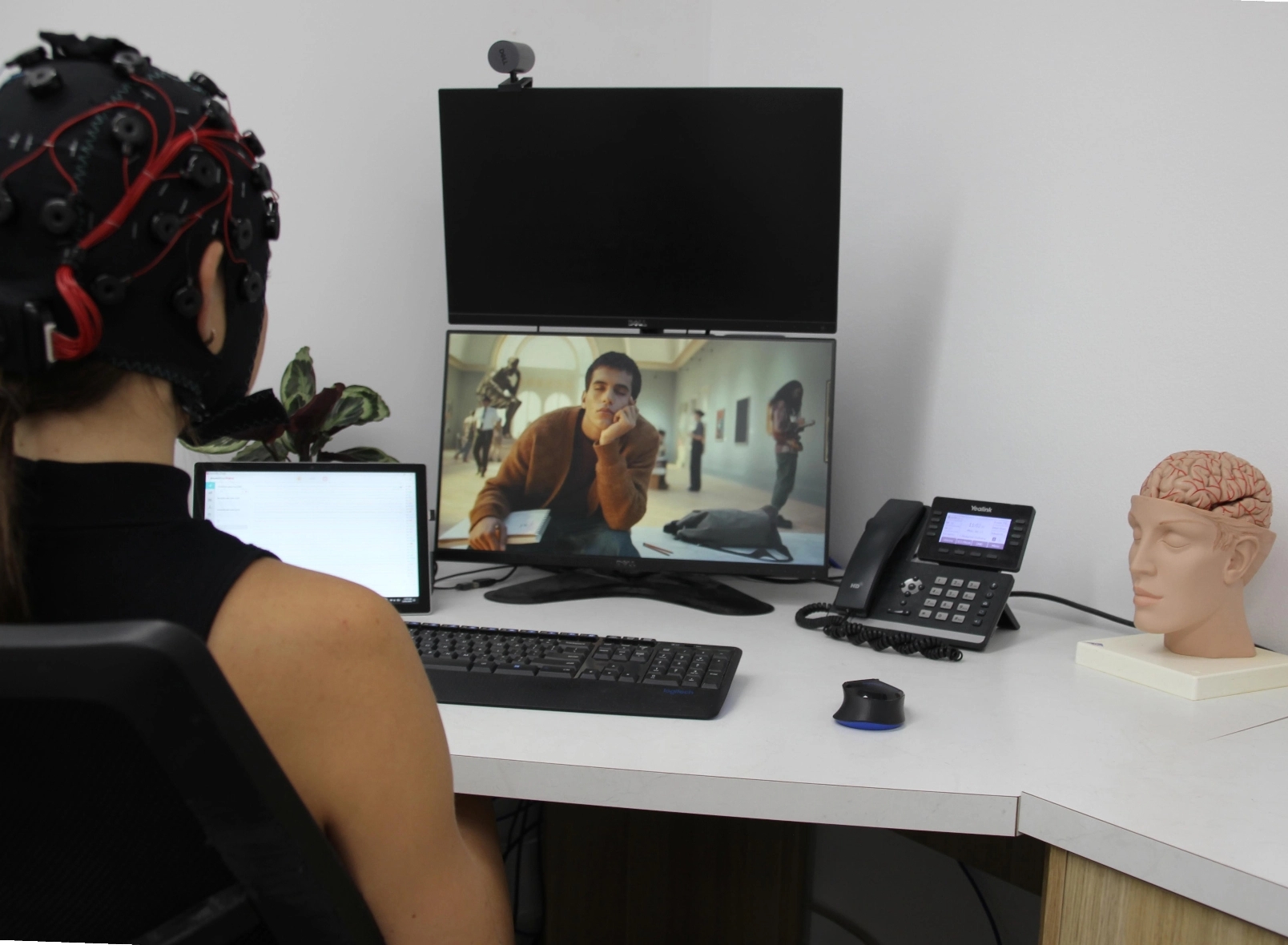
What "brain-accountable" actually means
Five neural signals, one outcome
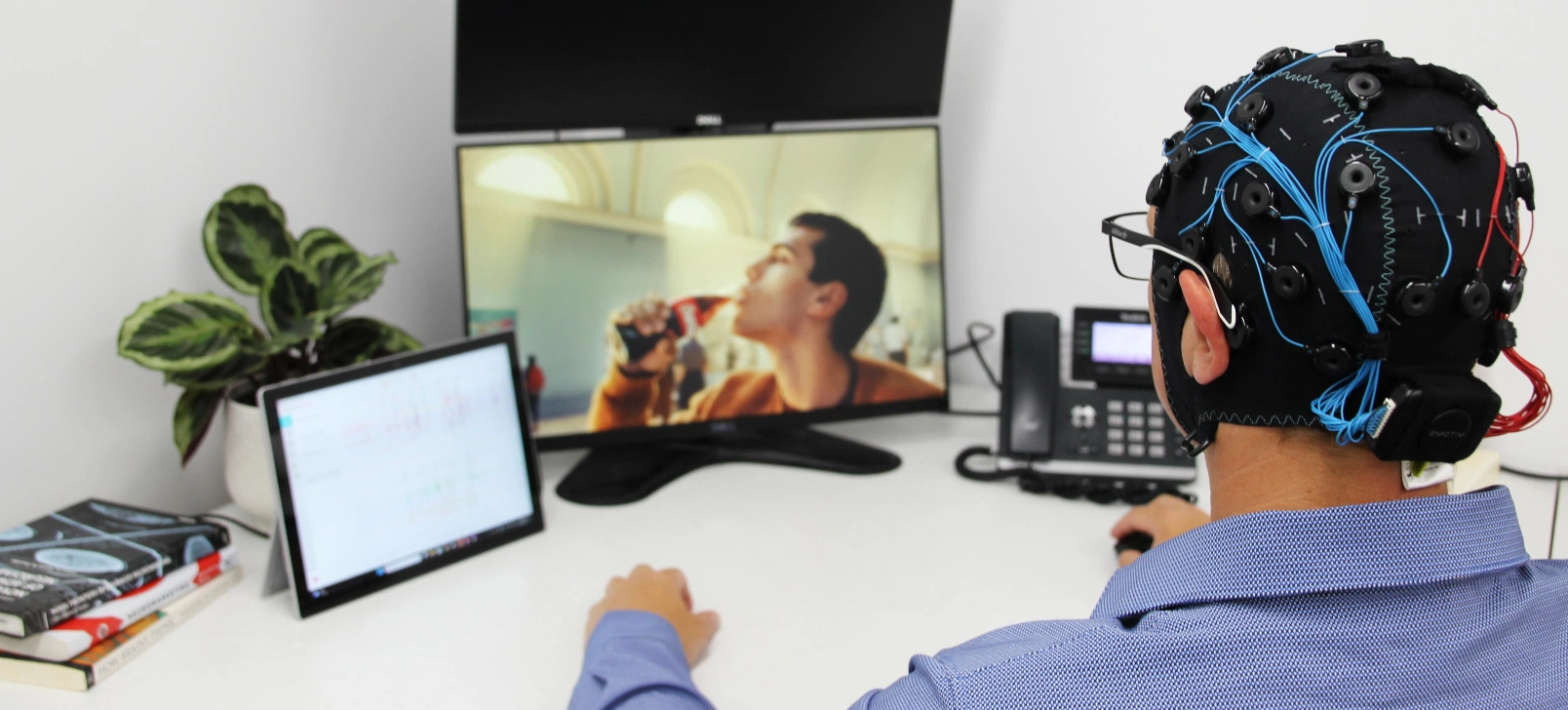
Modern EEG measurement can read the brain’s electrical response to advertising, second by second, and separate five signals that together show what an ad is doing in the brain:
Attention
Where the brain focuses its resources. Without it, nothing else follows.
Engagement
Emotional and cognitive involvement. The difference between “brain switched on” and “half-asleep scrolling”.
Memory Encoding
The likelihood the message is being stored. Seen but not remembered has no commercial value.
Cognitive Load
The effort the brain is spending to process the ad. If it needs too much effort, the message never lands.
Brand Linkage
Whether the memory being formed is attached to the brand, or floating free of it. This is the one most creative teams miss.
Every campaign is different, so the brain decides which signals move
How the Standard is Applied
Diagnose, Teach, Elevate
We work with brands, agencies, and media owners in three stages.
Diagnose
We put your existing advertising through EEG measurement, benchmarked against matched equivalents in the same category.
We do not need to guess where the memory drop-off is. We measure it.
Teach
We share what the data reveals, in language the whole team can act on. Which frames are landing. Where the brand is going missing. What the brain does when your logo appears, and what it does when it does not.
This is where creative craft meets neuroscience, and where most of the change starts.
Elevate
For the assets where the diagnosis is clear, we rebuild the execution to fix what the measurement found. Usually in 3D, because independent research (see below) shows 3D moments can lift attention, engagement and memory encoding when the brand is present at the peak moment.
But the intervention follows the diagnosis, not the other way around.
Every rebuild is measured again, against the original, using the same EEG method
The Evidence
Attention is easy,
memory is not
3D lifted attention in 86% of timed 3D moments. Memory encoding rose in 57%.
That gap is the reason we measure.
Attention is close to reliable. It is memory that decides whether a brand is chosen later.
Research conducted by Grey Mattr in partnership with 3Rock Global. Published in WARC.
Advertisements studied
Matched 3D / 2D pairs
Monte Carlo simulations
per comparison
Details, methodology, and category-level findings are covered on the Research page. The full paper is titled The third dimension: Why 3D advertising is reshaping attention, memory, and brand impact and is published in WARC, 31 July 2026.
Who this is for
The Memory Standard is built for three audiences
Brands & Marketing Leaders
Carrying the CFO’s memory question: what did we get for the money. If your existing measurement stops at delivery and attention, the standard fills in what happens next.
Agencies
Whose clients are increasingly asking what actually worked. The standard gives you a diagnostic layer you can plug into creative development, not a competing agency in your account.
Media Owners
Who want to prove the format they sell earns better memory outcomes than the alternatives. The measurement is format-agnostic, which is why the answer means something when it is positive.
Is your advertising
remembered, or just seen?
Every engagement starts with a free diagnostic audit of one of your existing ads. No commitment. You see how it scores on the five neural signals against category benchmarks. Then you decide what to do next.